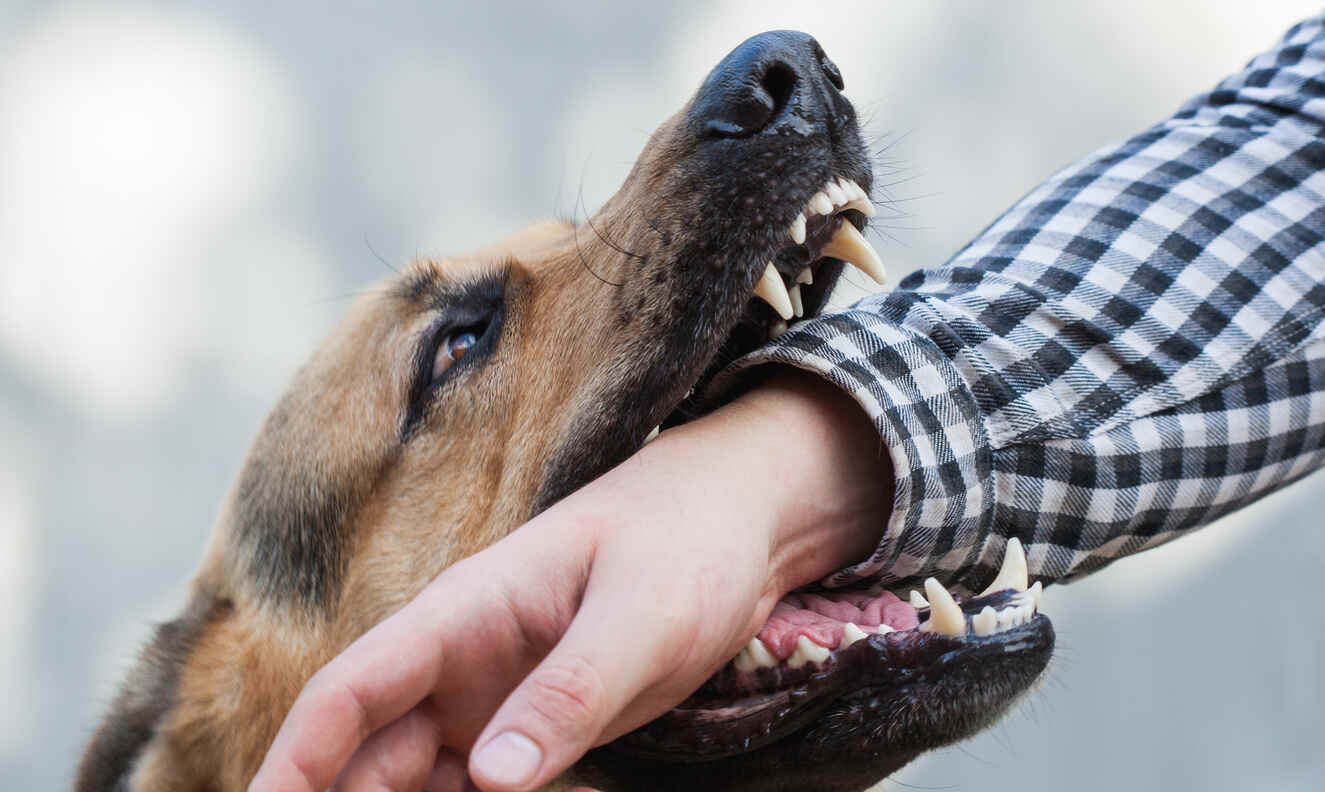
Dog attacks in Utah apartment complexes, condominiums, and HOA-governed communities are rarely simple. Unlike bites that occur in someone’s private backyard, these injuries usually happen in shared spaces where multiple people and organizations share responsibility for safety. Hallways, elevators, stairwells, courtyards, parking areas, and greenbelts all bring residents and their pets into proximity. When a dangerous dog is allowed to remain in shared environments, the risk extends far beyond a single household.
For victims, this creates a confusing legal landscape. One tenant owns the dog, but another tenant is injured. A landlord owns the building. A property management company or HOA may enforce the day-to-day rules. Each of those parties may have insurance coverage, and each may claim the problem was someone else’s responsibility.
At Waddoups Law, our Salt Lake City personal injury attorneys help injured Utah residents untangle these layers and pursue accountability from every party that failed to keep the community safe.
Why Dog Attacks in Shared Housing Are Different
In single-family neighborhoods, a dog’s behavior is usually confined to one yard or home. In apartment complexes and HOA communities, that is not the case.
Dogs regularly pass through areas where everyone has the right to be, including:
Lobbies and hallways.
Staircases and elevators.
Outdoor walkways and courtyards.
Parking garages and common entrances.
When a dog has a history of aggression, these spaces become dangerous. The risk does not fall only on people who choose to interact with the animal. It falls on neighbors who are simply trying to go to work, pick up their mail, or take their children outside. In Utah multi-unit housing, keeping shared areas safe is a responsibility that does not rest with any single person.
The Dog Owner’s Responsibility
The dog owner bears primary responsibility. Utah law generally requires pet owners to keep their animals under control and to prevent them from harming others. When a tenant allows a dog to roam off-leash, ignores signs of aggression, or fails to secure the animal in shared areas, they may be liable for any resulting injuries.
But in apartment and HOA communities, dog owners are not operating in isolation. Lease agreements, HOA rules, and property policies govern their right to keep a pet. Those documents often include restrictions on breeds, weight, leash use, and prior bite history. When those rules are not enforced, responsibility can shift well beyond the dog owner.
When the Landlord May Be Liable
Landlords in Utah have a legal duty to maintain reasonably safe premises for tenants and visitors. That duty does not disappear when a hazard comes in the form of an animal instead of a broken stair or slippery walkway.
A landlord may be responsible for a dog attack when they knew or should have known that a dangerous dog was present on the property and failed to act.
This can happen when:
Tenants previously complained about the dog.
The dog had bitten or threatened others in the past.
Lease agreements prohibited the animal or required removal after incidents.
The landlord had the power to enforce pet restrictions but chose not to.
If a landlord allows a known dangerous dog to remain in a shared living environment, they may be contributing to an unsafe condition that puts every resident at risk.
The Role of HOAs and Property Management Companies
Many Utah apartment complexes and condo communities are governed by property management companies or homeowners’ associations.
When management ignores reports of aggressive animals, fails to enforce leash requirements, or does not follow through on removal or restrictions, they may share responsibility for an attack. Just as unaddressed maintenance hazards can become foreseeable risks, dangerous animals can pose risks when no one in charge takes action.
In HOA communities, the association’s insurance may also apply, mainly if the attack occurred in a common area and the HOA failed to enforce its safety rules.
Evidence That Matters in Apartment and HOA Dog Attack Claims
These cases are rarely won by simply proving a dog bit someone. The key is to show who knew about the risk and who had the authority to stop it.
Substantial evidence may include:
Prior complaints or incident reports involving the dog.
Insurance policies for the dog owner, landlord, and HOA.
This layered documentation helps establish that the attack was not an isolated fluke but the result of failures across the housing system.
Talk With a Salt Lake City Dog Attack Attorney at Waddoups Law
If a dog attacked you in an apartment complex or HOA community, you should not have to guess who is responsible. These cases require careful investigation, legal skill, and a team capable of navigating layered liability.
I can’t say enough good things about Waddoups Law Personal Injury Attorneys! I had some legal issues and decided to go with this firm. I’m so happy I did! The...
L L
These folks are amazing! Michelle is honest and upfront about the process and the different ways things can go. Thank you for all of your hardwork!
Mr Beasley
Looked over a contract for me. Was very professional and timely. Thanks George!
Chase Thomason
George and Jeri were incredible. I was riding my bike and was hit by a car and broke my back and had a TBI. I was so overwhelmed, but trying...
Sherie Christensen
George (& Geri) have repeatedly bested my expectations. After a car accident they took the majority of the pressure off so I could focus on getting the treatments I needed...
Natalie Clements
My wife and I had the privilege of working with Waddoups Law Personal Injury Attorneys, specifically Geri Kelley, and we cannot express our gratitude enough for their outstanding legal support....
Trent Covert
I am so grateful to George Waddoups and his team for effectively helping me through a very challenging legal matter. His knowledge and expert guidance made a significant difference in...